
Langhe Monferrato Cellar Visits: Into the Heart of Piedmontese Wine
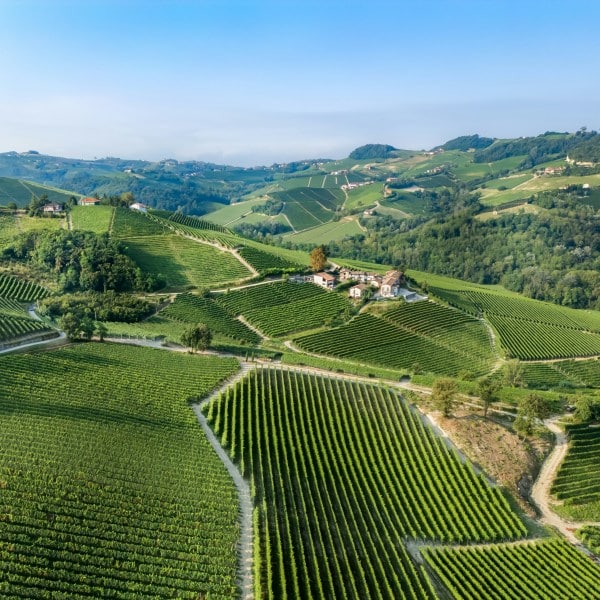
Langhe Monferrato cellar visits offer access to one of the greatest wine territories in the world — a landscape of rolling hills in southern Piedmont where Barolo, Barbaresco, and Barbera have been produced for centuries in cellars that range from ancient family estates to internationally celebrated modern wineries. The Langhe and Monferrato are two distinct but neighboring territories, each with its own character: the Langhe is the more prestigious appellation zone, its Nebbiolo-based wines drawing collectors and sommeliers from across the globe; the Monferrato is broader and more varied, its vineyards producing Barbera, Grignolino, and Freisa alongside the international varieties that have found a home here over the past few decades. Together they form a wine country of extraordinary depth and variety, set in a UNESCO World Heritage landscape of vine-covered hills, medieval towers, and castle towns that would be worth visiting even without the wine.
Barolo and Barbaresco: The Kings of Italian Red Wine
The Langhe hills south of Alba produce the two wines that define Italian red wine for much of the world. Barolo, made from Nebbiolo grown in eleven communes between Alba and Bra, is one of the most age-worthy wines in Italy — tannic, austere, and complex in youth, capable of developing over decades into something of extraordinary depth and finesse. The differences between the single vineyards — the Cannubi in Barolo, the Brunate shared between Barolo and La Morra, the Bussia in Monforte d’Alba — are the subject of serious study and passionate debate among producers and collectors, and cellar visits in the Barolo zone are as much an education in terroir as they are a tasting experience. Barbaresco, produced from the same Nebbiolo grape in three communes northeast of Alba, is typically more approachable in youth — a wine of elegance and perfume rather than the sheer structural power of Barolo, and one that rewards those who discover it alongside its more famous neighbor.
The Monferrato: Barbera and the Other Grapes
The Monferrato hills east of Asti produce a different wine culture — more relaxed, more varied, and in some ways more representative of how Piedmontese people actually drink on a daily basis. Barbera d’Asti DOCG is the workhorse grape of the region, a deeply colored, high-acid red that pairs naturally with the rich pasta dishes and braised meats of Piedmontese cooking. The best producers have elevated Barbera into a wine of genuine complexity and age-worthiness, particularly when vinified in small oak barrels. Grignolino, a light-bodied and distinctively tannic red, is the most personal of the Monferrato’s grapes — rarely found outside the region, immediately recognizable once you know it, and best understood with a plate of local salumi and a producer willing to explain its particular character. Cellar visits in the Monferrato tend to be more informal than those in the Barolo zone, which makes them no less rewarding and often more memorable.
Alba and the White Truffle
The town of Alba sits at the center of the Langhe wine territory and gives its name to the most celebrated autumn food event in Piedmont — the Fiera del Tartufo Bianco, the white truffle fair that runs through October and November and draws buyers, chefs, and enthusiasts from across the world. The white truffle of Alba — Tuber magnatum pico — is one of the most expensive ingredients in the world, and the combination of truffle season with the autumn wine harvest makes this the most compelling time to visit the Langhe. Even outside the fair season, Alba’s restaurants and food shops are organized around the assumption that their customers know and care about what they eat, and a meal here in any month of the year reflects that expectation.
Langhe and Monferrato on a Piedmont Self-Drive
Langhe Monferrato cellar visits connect naturally into a broader self-guided tour of Piedmont that can extend north toward the lakes and the Alps or east toward the Po plain and Turin. The wine roads of the Langhe — the Strada del Barolo, the Strada del Barbaresco — are among the most rewarding driving routes in northern Italy, and the Piedmont region offers a cultural and gastronomic depth that rewards those who take the time to move through it slowly.
Italy Trails in the Langhe and Monferrato
Italy Trails builds Langhe Monferrato cellar visits into Piedmontese self-drive itineraries with estate access arranged in advance, accommodation selected in Alba or among the vine-covered hills, and routes that connect the wine territories with the broader landscape of southern Piedmont. Contact our team to start planning, or learn more about how a self-guided tour works.
To provide the best experiences, we and our partners use technologies like cookies to store and/or access device information. Consenting to these technologies will allow us and our partners to process personal data such as browsing behavior or unique IDs on this site and show (non-) personalized ads. Not consenting or withdrawing consent, may adversely affect certain features and functions.
Click below to consent to the above or make granular choices. Your choices will be applied to this site only. You can change your settings at any time, including withdrawing your consent, by using the toggles on the Cookie Policy, or by clicking on the manage consent button at the bottom of the screen.