
Lake Como Historic Villas: Beauty, Gardens and Aristocratic Splendor
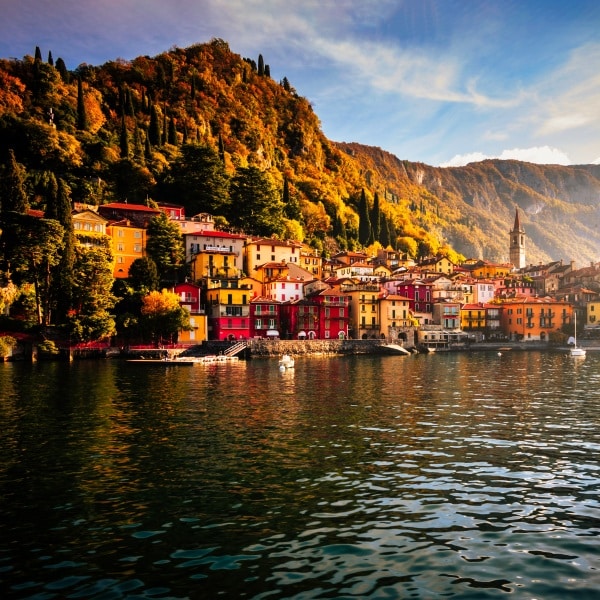
The Lake Como historic villas are among the most celebrated expressions of Italian aristocratic taste — a succession of lakeside residences built from the 17th century onward by noble families, cardinals, and wealthy merchants who chose the shores of Lago di Como as the setting for their most ambitious architectural and horticultural projects. The lake itself — a deep, Y-shaped expanse of water in the Lombardy foothills south of the Alps, its shores steep and densely wooded — provides a backdrop of extraordinary natural beauty that the villa builders understood instinctively and used deliberately, orienting their gardens toward the water and their terraces toward the mountain views that frame it on every side. To discover the Lake Como historic villas is to encounter a tradition of lakeside living that has attracted European aristocracy, romantic poets, and international celebrities for three centuries, and that still retains the power to stop visitors in their tracks at a garden gate or a ferry landing.
Villa Carlotta: Gardens in Bloom
Villa Carlotta, on the western shore of the lake near Tremezzo, is the most visited of the Lake Como historic villas and the one whose gardens are most consistently spectacular. The villa was built in the late 17th century and passed through several aristocratic owners before being given as a wedding gift — hence the name — to Princess Carlotta of the Netherlands in 1847. The gardens that extend behind and above the villa are organized on a series of terraces that rise from the lakefront to the wooded hillside above, planted with rhododendrons, azaleas, camellias, and tree ferns that create an extraordinary display of color in spring and a lush, green canopy through summer. The interior of the villa contains a notable collection of neoclassical sculpture, including Canova’s original plaster for Cupid and Psyche and a frieze by Thorvaldsen depicting the triumphal entry of Alexander into Babylon.
Villa del Balbianello: The Promontory Villa
Villa del Balbianello occupies a narrow promontory near Lenno on the western shore, its position — three-sided by water, accessible only by boat or on foot — making it one of the most dramatically situated historic buildings on the lake. The villa was built in the late 18th century by Cardinal Angelo Maria Durini on the ruins of a Franciscan monastery, and its loggia — a double arcade of arches opening onto views of the lake in three directions — is one of the most photographed architectural details in Lombardy. The gardens are informal and intensely romantic in character, the paths winding through a mixture of formal plantings and wild woodland that reinforces the sense of a place designed for contemplation rather than ceremony. The villa is owned by the FAI — the Italian National Trust — and is accessible by boat from Lenno.
Bellagio and the Lake
The town of Bellagio, at the point where the two southern branches of the lake divide, is the most celebrated of the lakeside towns and the natural hub of any visit to the central lake. Its position — on a promontory with views in three directions — is unmatched on the lake, and its streets of silk shops, restaurants, and 19th-century hotels climbing steeply from the waterfront carry an atmosphere of faded elegance that the town’s considerable tourist traffic has not entirely erased. Villa Serbelloni, now a luxury hotel, occupies the hill above the town and was once described by Pliny the Elder — who had a villa on this shore in Roman times — as the finest position on the lake. Villa Melzi, on the lakefront south of the town center, is one of the finest neoclassical villas on the lake, its English-style garden a sequence of exotic trees, Japanese bridges, and lakeside paths that connects directly to the waterfront.
The Lake and the Drive
The road that follows the western shore of Lake Como from Como north to Sorico — the Strada Regina — is one of the most scenic lake drives in Italy, passing through tunnel sections cut directly into the cliff face, lakeside villages whose houses rise directly from the water, and the gardens of the historic villas at intervals that reward a slow drive with frequent stops. The eastern shore, less visited and less developed, offers a different perspective on the same landscape — quieter roads, smaller villages, and a more working character that contrasts with the resort atmosphere of the western bank. Both shores are best explored by a combination of car and ferry, using the cross-lake boat services that connect the main towns throughout the day.
Lake Como on a Lombardy Self-Drive
The Lake Como historic villas connect naturally into a self-guided tour of Lombardy that can combine the lake with Milan to the south, Lake Maggiore and the Borromean Islands to the west, and the Valtellina wine country and the Alpine passes to the north. Explore the full Lombardy region to see how Lake Como fits into a complete northern Italy itinerary.
Italy Trails at Lake Como
Italy Trails builds the Lake Como historic villas into Lombardy self-drive itineraries with accommodation selected on the lakefront, villa visits and ferry connections planned into the daily routes, and local recommendations that make the most of a destination that rewards those who stay longer than a single day. Contact our team to start planning, or learn more about how a self-guided tour works.
To provide the best experiences, we and our partners use technologies like cookies to store and/or access device information. Consenting to these technologies will allow us and our partners to process personal data such as browsing behavior or unique IDs on this site and show (non-) personalized ads. Not consenting or withdrawing consent, may adversely affect certain features and functions.
Click below to consent to the above or make granular choices. Your choices will be applied to this site only. You can change your settings at any time, including withdrawing your consent, by using the toggles on the Cookie Policy, or by clicking on the manage consent button at the bottom of the screen.