
Visit the Magical Salento: The Tip of Italy’s Heel
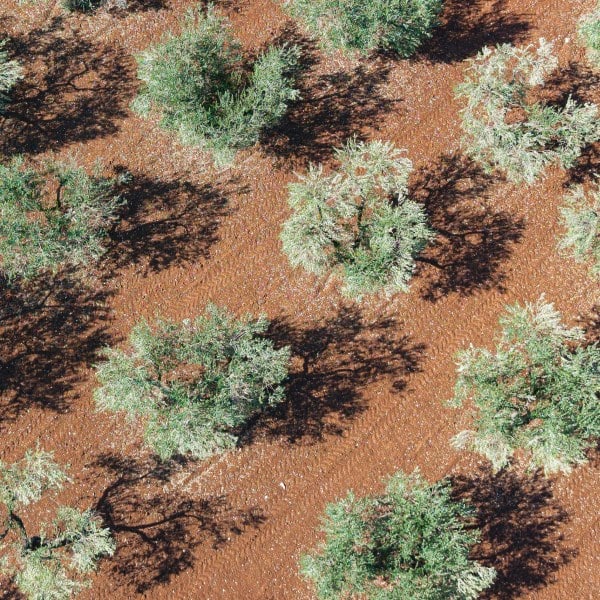
To visit the magical Salento is to reach the southernmost point of the Italian peninsula — the heel of the boot, a flat limestone plateau between the Adriatic and the Ionian that narrows progressively toward the cape of Santa Maria di Leuca, where the two seas meet in a confluence visible from the clifftop above. The Salento is the southern third of Puglia, distinct in character from the rest of the region: flatter, more arid in summer, covered with ancient olive groves whose gnarled trunks can be centuries old, and bounded on both sides by coastlines of remarkable quality that alternate between rocky inlets, sandy beaches, and the crystalline water that the peninsula’s geology produces. The word “magical” in the title is not hyperbole — the Salento has a quality of light, landscape, and atmosphere that visitors consistently describe in terms that exceed the ordinary vocabulary of travel.
The Adriatic Coast: White Cliffs and Clear Water
The eastern coast of the Salento — the Adriatic side — is characterized by white limestone cliffs that drop directly into turquoise water, their surfaces eroded by centuries of wave action into grottos, sea arches, and natural pools that are accessible on foot or by boat from the small harbors and fishing villages that punctuate the shoreline. Otranto, the most significant town on the eastern coast, sits on a natural harbor that made it the eastern gateway of Italy for centuries — the closest point on the Italian mainland to Greece and Albania, and consequently a city of extraordinary cultural layering: a Norman cathedral whose mosaic floor is the most complete surviving example of Romanesque floor mosaic in Europe, Byzantine frescoes in the crypt below, and a castle built by the Aragonese after the Turkish siege of 1480. The coast south of Otranto — the Riviera dei Ciclopi — is among the most dramatic on the Adriatic, its stacks and sea caves visible from the cliff road above.
The Ionian Coast: Sandy Beaches and Baroque Towns
The western coast of the Salento — the Ionian side — is gentler in character, its long sandy beaches and shallow warm water making it the most popular summer destination in Puglia for Italian holidaymakers. The area around Gallipoli — a walled medieval town on an island connected to the mainland by a bridge — and the beaches to its north and south are consistently ranked among the finest in Italy. Gallipoli itself is one of the most beautiful Baroque towns in the Salento, its whitewashed historic center rising from the sea on its limestone island with a cathedral, castle, and network of lanes that reward an afternoon of exploration before the beach calls again. The masserie — the traditional fortified farmhouses of the Salento — dot the agricultural interior between the two coasts, many of them converted into hotels and restaurants that offer the most comfortable and most characterful accommodation in the region.
The Taranta and the Culture of the Salento
The Salento has a musical and cultural identity that distinguishes it within Puglia and within Italy. The pizzica — a form of tarantella associated with the tradition of tarantism, the ritual dance said to cure the bite of the tarantula — is performed at festivals throughout the region in summer and at the Notte della Taranta, a massive outdoor festival held annually in Melpignano that draws hundreds of thousands of spectators and has become the most attended folk music event in Italy. The music, the dance, the cuisine built on local vegetables, legumes, and the olive oil of the ancient groves, and the quality of the light that makes every village more beautiful at dusk than it was at noon combine into a Salento experience that is unlike any other in southern Italy.
The Salento on a Puglia Self-Drive
A self-drive to visit the magical Salento connects naturally into a self-guided tour of Puglia that combines the peninsula with a walking tour of Lecce to the north and the street food of Bari further up the coast. Explore the full Apulia region to plan your itinerary, then contact our team to start building your trip, or learn more about how a self-guided tour works.
To provide the best experiences, we and our partners use technologies like cookies to store and/or access device information. Consenting to these technologies will allow us and our partners to process personal data such as browsing behavior or unique IDs on this site and show (non-) personalized ads. Not consenting or withdrawing consent, may adversely affect certain features and functions.
Click below to consent to the above or make granular choices. Your choices will be applied to this site only. You can change your settings at any time, including withdrawing your consent, by using the toggles on the Cookie Policy, or by clicking on the manage consent button at the bottom of the screen.