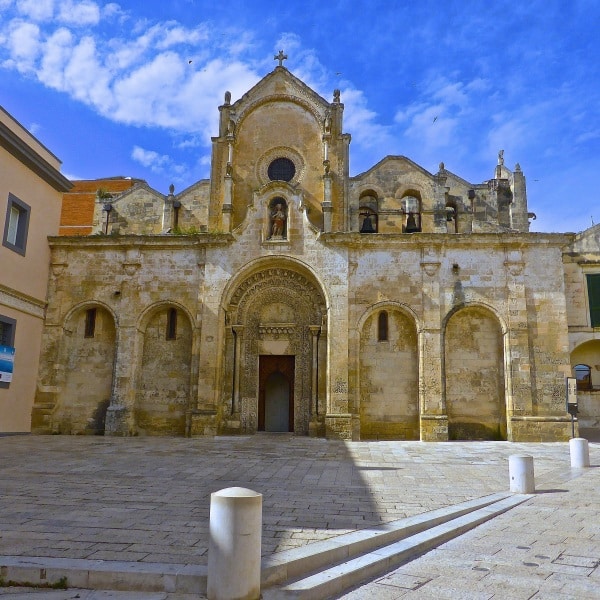
Lecce Highlights Walking Tour: The Florence of the South
A Lecce highlights walking tour is the finest introduction to a city that has earned its place among the most beautiful in southern Italy — a Baroque city of such architectural consistency and such quality of craftsmanship that it has been called the Florence of the South, a comparison that refers not to scale but to the density of significant buildings within the historic center and to the particular character of the stone from which they are made. Lecce’s Baroque is not the heavy, dramatic Baroque of Rome or Naples — it is lighter, more decorative, almost exuberant in its use of the local pietra leccese, a soft golden limestone that carves with exceptional ease and takes on a warm, honeyed glow in the afternoon sun that makes every facade more beautiful than it was at midday. Walking through the centro storico on a clear evening, when the light is right and the streets empty of the midday crowds, is one of the most purely pleasurable urban experiences in Italy.
The Cathedral and the Piazza del Duomo
The Piazza del Duomo is the ceremonial heart of Lecce and one of the finest enclosed squares in southern Italy — a space that is entered through a single gateway from the street outside, giving the arrival into the piazza a sense of revelation that open squares cannot provide. The Cathedral of Sant’Oronzo, rebuilt in its current Baroque form in the 17th century by the architect Giuseppe Zimbalo, presents two facades — one to the piazza, one to the side street — the more elaborate facing the piazza with a program of sculptural decoration that sets the tone for everything the city offers. The Bishop’s Palace and the Seminary that complete the three sides of the piazza are equally refined in their detailing, and the ensemble as a whole represents the most concentrated expression of Lecce Baroque in the city.
The Basilica di Santa Croce
The Basilica di Santa Croce is the most celebrated single building in Lecce and the one that most completely demonstrates what the local Baroque tradition could achieve at its most ambitious. The facade, worked on by successive architects from the mid-16th century through the early 18th, is a continuous surface of carved pietra leccese — column shafts, capitals, reliefs, figural sculpture, decorative swags, and architectural moldings layered in a composition that takes several long looks to begin to read. The rose window at the center of the upper register, surrounded by carved figures of grotesque animals and allegorical figures, is the most elaborate single element of the facade and the most purely Baroque in its combination of exuberance and technical precision. The interior, by contrast, is calm and well-proportioned — a single-nave church of considerable dignity that allows the exterior to remain the primary statement.
The Roman Amphitheatre and the Piazza Sant’Oronzo
The Piazza Sant’Oronzo, the main public square of Lecce, contains the ruins of a Roman amphitheatre that was discovered in the early 20th century during construction work and partially excavated — the lower tiers of seating visible below street level, accessible by steps from the piazza above. The coexistence of a Roman monument of the 2nd century AD with a Baroque city of the 17th century, visible simultaneously from the same viewpoint, is characteristic of the historical layering that makes Lecce so consistently interesting to explore. The column of Sant’Oronzo that stands in the center of the piazza was one of two that originally marked the end of the Via Appia in Brindisi — a direct physical connection between the ancient road that Horace and Cicero traveled and the city in whose piazza it now stands.
Lecce on a Puglia Self-Drive
A Lecce highlights walking tour is the natural starting point for a self-guided tour of Puglia that extends north through the Valle d’Itria and the trulli of Alberobello, west toward Taranto and the Ionian coast, and south to the Salento peninsula and its beaches. Explore the full Apulia region to see how Lecce fits into a complete Pugliese itinerary, then contact our team to start planning, or learn more about how a self-guided tour works.